

As a young man
growing up, there was one status level I never achieved. That was to be cool.

Back in the
day, when appearances meant everything, there was a plethora of quirky and
colorful characters who defined their lives and occupied ours by their dress,
style, mannerisms and diction. It was a world of first images that held tight
behind a façade of individuality, which, of course, it never really was.
There were the
hard guys with their slick hairstyles and choppers and hot rods. The jocks with
their letter jackets. The Brains hid out in the library with their books and
slide rulers. And every school had its cache of rich bitches (male and female)
with their parent’s money and cars. These cool kids had it all in one form or
another. They were all ‘with it’, except maybe the Brains. Everybody envied the
Brains because they were going to be our bosses sometime in the future.

In high school
and even college, the rest of us were merely background distractions for those
crowds of easily identifiable clichés. We were simply invisible fill-in
wallpaper to their active lives.

Reflecting
back, there were many reasons why I was never cool in the carefully coffered
commercial way we thought of it back then. Born and raised in the Midwest may
have had something to do with it. So many of those icons of cool came from
California and California Cool, I wasn’t.
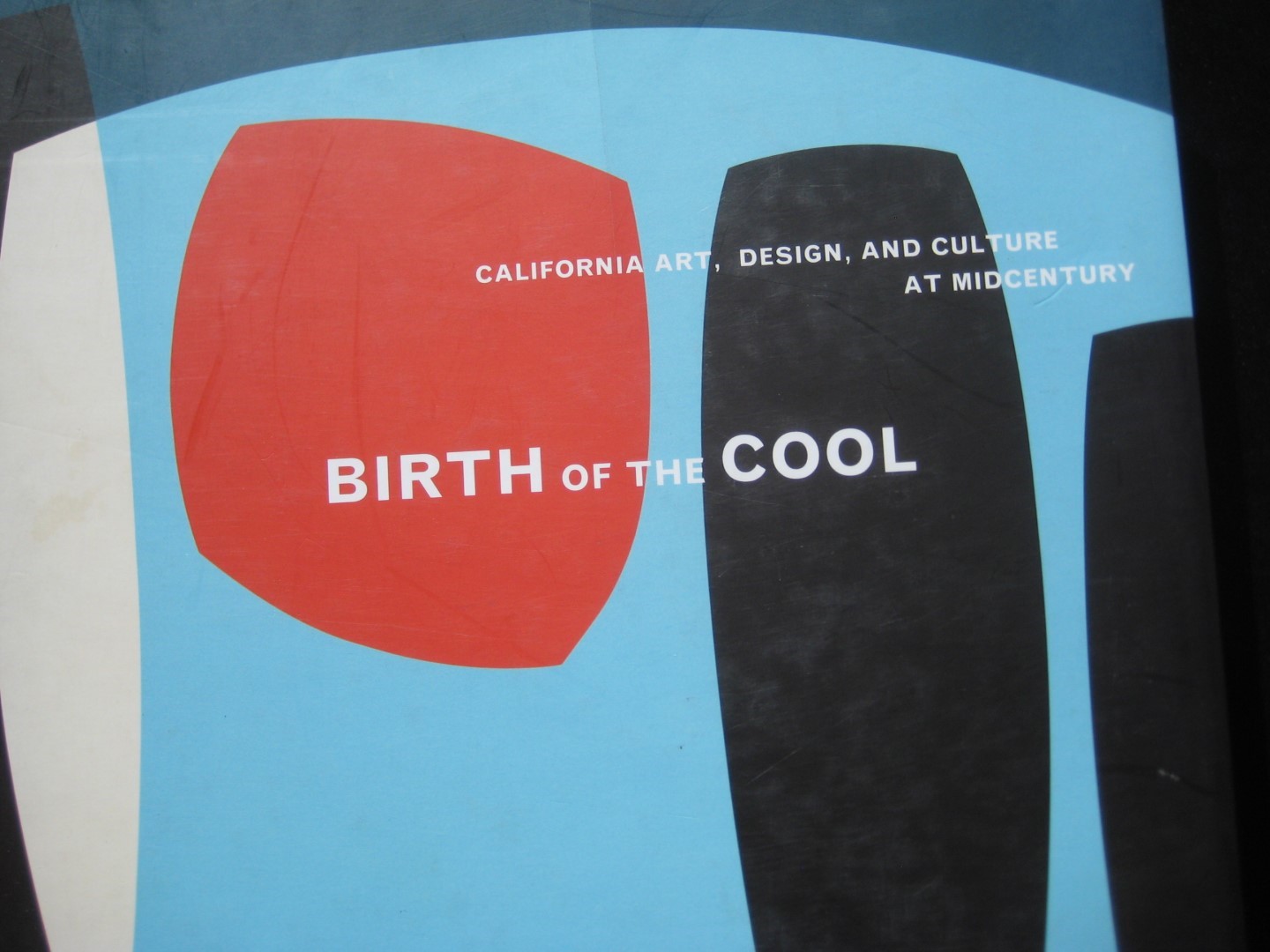
I recently bought
a book which was published as part of an exposition on the birth of cool in
Southern California. It helped me understand a little better why the West Coast
always had such a draw on my uncaged imagination.
After World War
Two, there was a migration of artist types to the West Coast, primarily
California. Coupled with a burgeoning economy, thriving new industries and
glorious weather, the West Coast became a mecca for the average Joe as well as
his beatnik cousins.

‘Birth of the
Cool: California Art, Design, and Culture of Midcentury’ was one of the most
ambitious exhibitions ever organized on this seminal period, encompassing the
painting, architecture, furniture design, decorative and graphic arts, film,
and music that launched mid-century modernism in the United States and
established Los Angeles as a major American cultural center.


This coolness
was reflected in the arts, architecture, music, film, and dozens of other
esoteric cerebral ventures of commerce. It was all images and icons for hungry
eyes like mine to take in. One of the major purveyors of that message was
established in old Cow Town, center point of the country, when a young editor
started up his own magazine to herald and embellish this new scene for the hip cool set.


That illusion
was only embellished, relished, and enriched by the monthly droppings of Playbook
centerfolds, cool cars, hot bachelor pads, and jazz. I never understand that
among the hip knowledgeable crowd, jazz spoke a language only they understood.
I was a more folkie type.


I came of age
(but never broken through) back in the Sixties when all the cool music, cool
chicks and cool cars were emanating from Southern California. It was a mecca
for immature, wonder-ing wandering minds like mine. The Beach Boys painted
musical pictures that wetted my appetite for sand under foot and bikinis in
sight. Annette Funichello and Franky
Avalon showed me what beachcomber life was all about, Hollywood style.


This culture of
innovation, counter-culture living, and thinking outside-of-the-box continues
on today in hotspots like Palm Springs. Blossoming solar panels and Modernism
Week are but a couple of the many nodes to the storied and treasured practice
of embracing California’s cultural past while looking to the future.
As cool as it
is to think that one is cool, the concept can be a slippery slope, easy to feel
but tough to grasp. It’s evolution in midcentury America now seems but a series
of willful misunderstandings. It started out as black style but became white
style. It was a response to alienation but became a mark of belonging. It came
from the language of outsiders, but it became associated with very old ideas of
about aristocracy and good taste.
In retrospect,
I think my granddaughters have shown me the way of cool. Maya, age 17, Samantha,
age 15 and Charlotte, age 12, have all embraced the style of mixing and
matching vintage clothing with something new and modern. They create their own
style and own it. They’re cool because they have become masters of their own
fashion sense. Perhaps, doing your own thing is the cool thing to do. Follow no
one but your own heart and desire. My tiny storefront in the desert is the
perfect place for me to hide away and create stories of my own liking.


It’s the birthplace of Waleed and Sweetpea and numerous other imaginative retreats into my imagination. Minnesota is another place of vernacular worship for me but somehow it doesn’t have the same ambiance of colorful characters, coyotes in my backyard and Chocolate Mountains over my shoulders.

Past symbols of
‘cool’ are now old enough that they’re coming back in a strange amalgamation of
form and style. The younger set sees them as new and trendy. Veterans of the
movement see a resurgence of a colorful past. Me, I see form and function but
little else.
Sadly, even now
that I know what cool is, I don’t think I’m there yet and probably never will
be.


